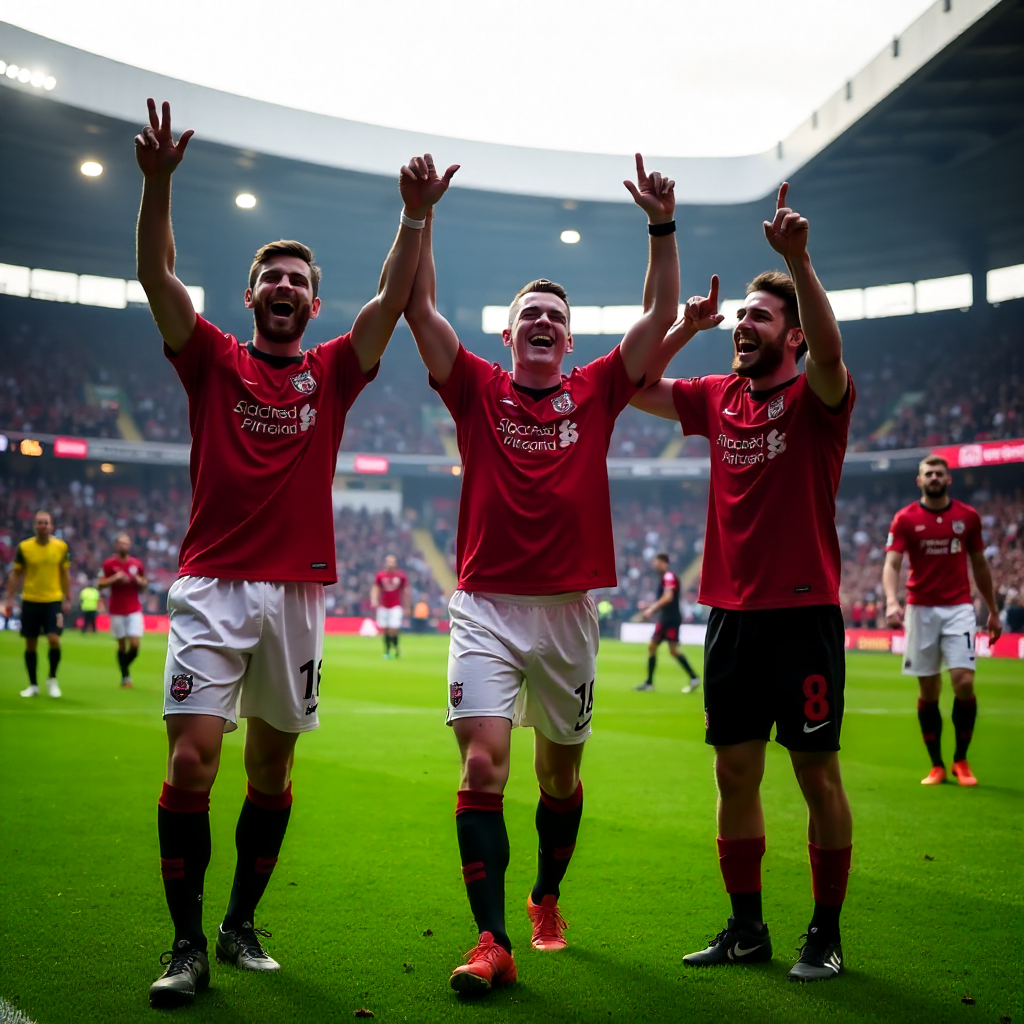
Top 10 Football Rivalries of All Time
Introduction to Football Rivalries
A football rivalry is a competitive relationship between two clubs or teams marked by intense matches, passionate fanbases, and often deep cultural or historical significance. These rivalries, commonly known as derby matches when played within the same city or region, captivate millions because they go beyond sport—reflecting identity, pride, and longstanding histories.
Understanding the world’s football rivalries reveals much about fan culture, league dynamics, and the emotional power football holds globally. Each rivalry brings unforgettable moments, fierce competition, and stories that become part of football’s heritage.
El Clásico (Real Madrid vs. Barcelona)
El Clásico is the fiercest rivalry in Spanish football, between Real Madrid and Barcelona, known worldwide for its high stakes and political undertones. This match symbolizes a struggle between contrasting regional identities—Castilian centralism versus Catalan nationalism—giving it significance beyond the pitch.
On the field, El Clásico showcases some of the best talent and has produced historic matches featuring legends like Lionel Messi and Cristiano Ronaldo. It embodies competition at the highest level of league rivalries, often influencing the outcome of La Liga and European tournaments.
The vast global audience, combined with decades of epic encounters, makes El Clásico a defining spectacle in football culture.
The Old Firm (Celtic vs. Rangers)
The Old Firm is the historic rivalry between Glasgow’s dominant clubs, Celtic and Rangers, and is one of the most intense derbies worldwide. Rooted in religious and sectarian divisions, this Scottish derby often transcends football, impacting social and cultural landscapes.
Matches have been fiercely contested since the late 19th century, with fan passion fueled by identity and community affiliations. The Old Firm derby consistently delivers electrifying atmospheres and memorable moments, making it a highlight of the Scottish Premiership season.
This rivalry exemplifies how football can intertwine with local history and social issues, contributing to its legendary status.
Superclásico (Boca Juniors vs. River Plate)
Argentina’s Superclásico between Boca Juniors and River Plate is among the most passionate and volatile football rivalries globally. Known for intense fan culture and electric matchday atmospheres, it is a centerpiece of South American football.
The Superclásico dates back to the early 1900s, representing class divisions and neighborhood pride within Buenos Aires. Matches often display breathtaking skill and drama, with historical contests remembered for their sheer emotion and sometimes even violence.
Its significance reaches far beyond Argentina, symbolizing the heart of football rivalry in Latin America.
Manchester Derby (Manchester United vs. Manchester City)
The Manchester Derby pits two of England’s major clubs, Manchester United and Manchester City, against each other. While historically dominated by United, City’s recent rise due to heavy investment has transformed this into one of the most closely watched rivalries in the Premier League.
Matches highlight contrasting styles and club philosophies, with intense competition shaping the title race. The derby captures the essence of English football’s dynamic changes and growing global appeal across fanbases.
From memorable goals to dramatic twists, the Manchester Derby showcases evolving city pride and league power shifts.
Milan Derby (AC Milan vs. Inter Milan)
The Milan Derby, or Derby della Madonnina, involves two historic Italian clubs sharing the iconic San Siro stadium: AC Milan and Inter Milan. This cross-town clash blends city rivalry with deep European football pedigree.
Both clubs have found considerable success domestically and in Europe, adding layers of prestige and competitiveness to their meetings. Fans from across Italy and beyond eagerly anticipate the Milan Derby for its blend of tactical football, drama, and historic significance in Serie A.
The shared home stadium intensifies the rivalry, creating a unique atmosphere unmatched in many other derbies worldwide.
Other Notable Rivalries Briefly
Beyond the marquee clashes, several other famous football rivalries enrich the sport’s landscape. These include:
- Liverpool vs. Everton: Known as the Merseyside Derby, this English rivalry is famed for its local passion and family ties split across clubs.
- Arsenal vs. Tottenham: The North London Derby ignites fierce competitive spirit and city bragging rights.
- Feyenoord vs. Ajax: The Dutch rivalry highlights cultural and footballing supremacy in the Netherlands.
- Borussia Dortmund vs. Schalke 04: Germany’s Revierderby pits neighboring Ruhr Valley teams with deep working-class roots.
- Flamengo vs. Fluminense: The Fla-Flu derby from Rio de Janeiro is a fiery Brazilian rivalry steeped in history and fan excitement.
Each of these rivalries adds regional flavor and flair, showcasing the global diversity of football fan culture and historical matches that define league competitions everywhere.
Why Football Rivalries Captivate Fans
Football rivalries captivate fans because they represent more than just a game; they are battles for pride, identity, and often history itself. The emotional investment of football fan culture means rivalries deliver unforgettable atmospheres, dramatic highs and lows, and stories that fans recount for generations.
The passion surrounding these rivalries brings communities together and sometimes starkly divides them, creating some of the most thrilling spectacles in sports. Historic clashes often feature legendary players, controversial moments, and pivotal outcomes that shape club legacies.
For leagues, rivalries boost viewership and engagement, driving the sport’s popularity globally. Their cultural impact often transcends football, influencing music, politics, and social conversation.
Ultimately, these rivalries remind us why football is called "the beautiful game."
FAQ About Football Rivalries
What makes a football rivalry historic?
A rivalry becomes historic due to its longevity, meaningful competition, cultural or political context, and memorable matches that define eras. Classic rivalries also usually reflect broader societal narratives beyond the sport.
Which rivalry is considered the fiercest in the world?
While opinions vary, the Old Firm (Celtic vs. Rangers) and the Superclásico (Boca Juniors vs. River Plate) are often cited as the fiercest due to their intense fan passion, social divisions, and sometimes volatile atmospheres.
How do football rivalries affect club and fan culture?
They strengthen fan loyalty, shape club identities, and create narratives that sustain support through highs and lows. Rivalries also encourage innovation on and off the pitch as clubs fight for dominance.
Are there famous football rivalries outside Europe and South America?
Yes. While Europe and South America host many iconic rivalries, regions like Asia, Africa, and North America also boast intense local derbies that reflect their unique football histories and cultures.
How have rivalries evolved in modern football?
Modern rivalries have adapted to global audiences, commercial interests, and player transfers between rivals. Despite these changes, the core passion and cultural importance remain, often amplified by social media and international broadcasts.