The Rise of Women's Football: Key Milestones That Shaped the Modern Game
Women's football has traveled a remarkable distance — from banned pitches and borrowed fields to sold-out stadiums and billion-dollar broadcasting deals. Understanding how the sport arrived at its current moment isn't just historical curiosity. For anyone following today's WSL fixtures, NWSL standings, or UEFA Women's Champions League results, this backstory explains why the game looks and feels the way it does right now.
Early Foundations — Where It All Began
Women's football has roots stretching back to the late 19th century, with organized matches recorded in Britain as early as the 1890s. The sport grew rapidly during World War I, when women's factory teams drew crowds of tens of thousands across England.
Then came 1921. The Football Association banned women from playing on affiliated grounds, citing concerns that the game was "quite unsuitable for females." That ban lasted 50 years. It effectively froze the sport's development in England at a moment when it had genuine momentum, and its effects rippled across other national associations that followed the FA's lead.
What's easy to miss in the historical record is how much grassroots football continued despite the ban — on informal pitches, in parks, through independent clubs. The sport didn't die. It survived in the margins, which makes the eventual revival all the more significant.
The Turning Point — Governing Bodies Embrace the Women's Game
The formal rehabilitation of women's football began in 1971, when the FA lifted its 50-year ban. UEFA organized the first European Competition for Women's Football that same year. FIFA followed by officially recognizing women's football in 1986 and commissioning a feasibility study that would lead to the sport's most important structural milestone.
Across the Atlantic, Title IX — passed in the United States in 1972 — reshaped the landscape for female athletes in educational institutions. By mandating equal opportunity in federally funded programs, it created a pipeline of college-level women's football that would eventually feed national team programs and, decades later, the NWSL. Its impact extended beyond American borders by demonstrating what institutional support could do for the women's game at scale.
These weren't just administrative decisions. They were structural permissions — signals to sponsors, broadcasters, and national federations that women's football was a legitimate investment.
The FIFA Women's World Cup — A Global Stage Is Born
The FIFA Women's World Cup, launched in China in 1991, gave the sport its defining international platform. The inaugural tournament featured 12 nations and was won by the United States, establishing a team that would become the most decorated in the competition's history.
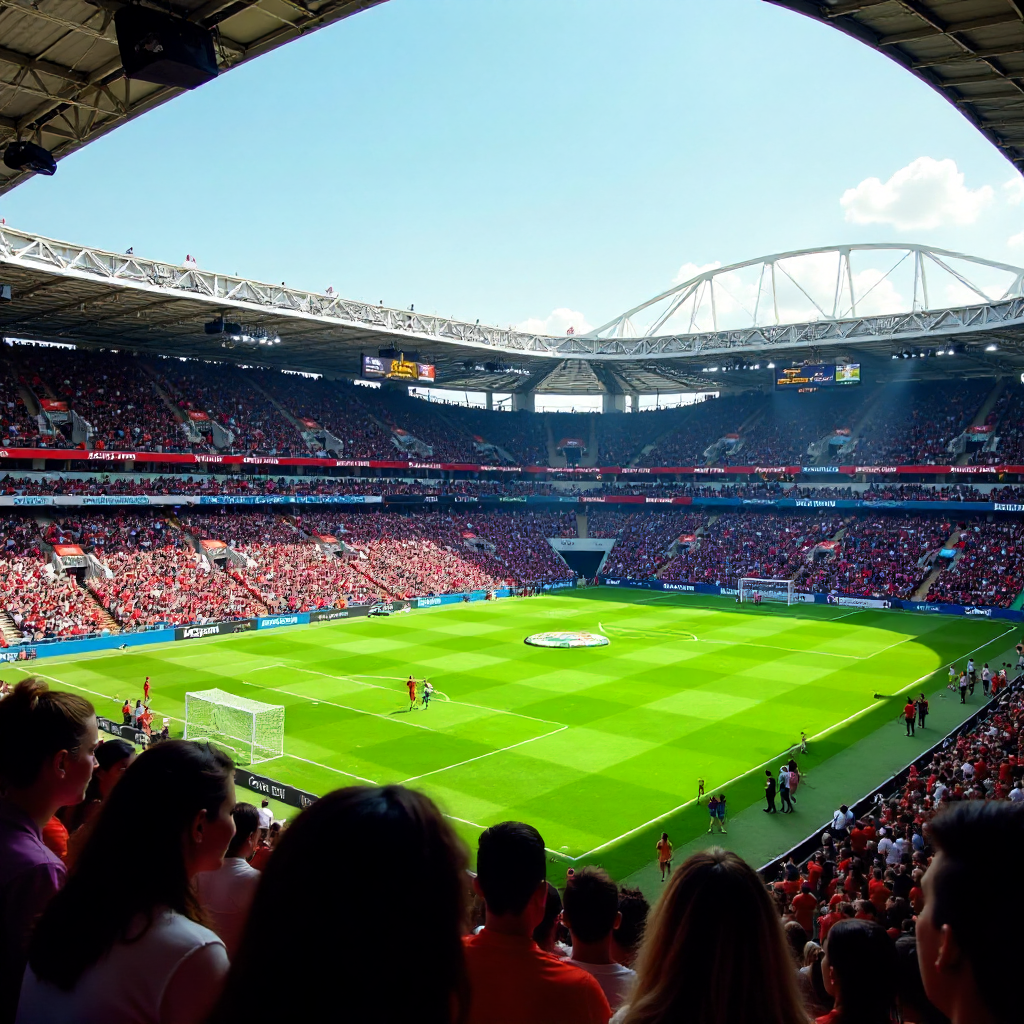
The 1999 edition, hosted in the United States, was the tournament that changed public perception permanently. The final between the USA and China at the Rose Bowl drew over 90,000 spectators — a world record for a women's sporting event at the time. Brandi Chastain's penalty shootout celebration became one of the most reproduced images in sports history.
Successive tournaments built on that foundation. The 2019 World Cup in France generated over 1 billion viewers across all matches, according to FIFA's own broadcast figures. The 2023 edition in Australia and New Zealand expanded to 32 teams, reflecting how many national programs had developed to competitive standard. Each tournament has functioned as a four-yearly audit of the sport's global growth — and the trend line has been consistently upward.
Professionalization and the Growth of Domestic Leagues
The shift from amateur to professional women's football happened gradually, then quickly. The Women's Super League launched in England in 2011, replacing the semi-professional Women's Premier League with a fully professional top tier. The NWSL followed in 2013 as North America's top-flight league after earlier attempts at sustained professional competition had struggled financially.
Professionalization means contracted, salaried players — not volunteers fitting training around day jobs. It means full-time coaching staffs, sports science support, and the kind of structured development environment that produces better football. The WSL and NWSL became benchmarks that other leagues measured themselves against.
The UEFA Women's Champions League, restructured in 2021 with a group stage format and significantly increased prize money, accelerated club-level competition across Europe. Clubs like Barcelona, Lyon, and Chelsea began investing in women's squads not as charity projects but as genuine sporting and commercial assets. Lyon's run of consecutive Champions League titles through the late 2010s demonstrated that sustained investment produces sustained success.
The honest trade-off: professionalization has concentrated talent and resources in a small number of wealthy clubs and nations. The gap between the top leagues and developing programs remains wide, which creates competitive imbalances that the sport's governing bodies are still working to address.
Broadcasting, Sponsorship, and the Commercial Breakthrough
Media rights deals are the clearest financial signal that a sport has crossed into the mainstream. Women's football has seen a step-change in broadcasting investment over the past decade. In the UK, the BBC and Sky Sports both hold WSL rights, bringing top-flight women's club football to free-to-air and subscription audiences simultaneously. In the United States, NWSL matches air on CBS and Paramount+.
Broadcasting rights don't just generate revenue — they create visibility, which attracts sponsors, which funds player wages, which raises the quality of the product on the pitch. The commercial cycle that men's football has operated within for decades is now functioning, at a smaller but growing scale, in the women's game.
Kit sponsorships and naming rights deals have followed. Nike's long-term investment in women's national teams, Barclays' title sponsorship of the WSL, and individual player endorsement deals for players like Sam Kerr and Alex Morgan reflect a commercial ecosystem that simply didn't exist 15 years ago.
Attendance Records and Fan Culture — The Stands Fill Up
Attendance figures are the most tangible evidence of the women's game's cultural arrival. In 2022, a Barcelona vs. Real Madrid women's match at Camp Nou drew 91,553 spectators — breaking the world record for a women's club match. Weeks earlier, Chelsea vs. Arsenal at Stamford Bridge had set a new WSL record.
These aren't anomalies engineered by free tickets and marketing campaigns. They reflect genuine demand. The 2023 Women's World Cup final between Spain and England drew stadium crowds and television audiences that rivaled major men's international fixtures in several markets.
Fan culture around women's football has also matured. Supporter groups, dedicated podcasts, fantasy football leagues, and social media communities have developed around women's clubs and national teams. That infrastructure of fandom — the stuff that happens away from the stadium — is what sustains a sport between big moments.
What's Next — The Road Ahead for Women's Football
The trajectory is clearly upward, but several structural challenges remain unresolved. Equal pay and prize money remain the sport's most visible equity debate. FIFA increased Women's World Cup prize money to $150 million for the 2023 tournament — a significant jump, but still well below the $440 million distributed at the men's 2022 edition.
Infrastructure investment, youth development pathways, and coaching education in lower-income football nations will determine whether the sport's growth becomes genuinely global or remains concentrated in Europe and North America. National team programs in Africa, Asia, and South America need sustained federation support to close the competitive gap.
For fans following women's football through live scores, league tables, and fixture coverage today, the sport they're watching is the product of 50-plus years of hard-won progress. The milestones listed here aren't just history — they're the architecture of the modern game, visible in every professional contract signed, every broadcast deal struck, and every stadium that fills up on a match day.
Frequently Asked Questions
When did women's football become professional?
Women's football began transitioning to a fully professional model in the early 2010s. The WSL launched as a professional league in England in 2011, and the NWSL followed in the United States in 2013. Some European clubs had professional women's sections before this, but these leagues marked the shift toward systematic, contracted professionalism.
Which country has the strongest women's football league?
The WSL in England and Division 1 Féminine in France are consistently ranked among the strongest domestic leagues, with the highest levels of investment, broadcast coverage, and international player talent. The NWSL in the United States is also a top-tier competition, particularly for player development and attendance figures.
How has prize money in women's football changed over time?
Prize money has increased substantially but remains unequal compared to men's competitions. The FIFA Women's World Cup prize pool grew from $15 million in 2015 to $150 million in 2023. UEFA Women's Champions League prize money also increased significantly after the 2021 format restructure, with clubs now earning meaningful sums for group stage participation and progression.
What was the impact of Title IX on women's football globally?
Title IX's direct impact was within the United States, where it mandated equal athletic opportunities in federally funded education. This created a college football pipeline that built the depth of American women's football and helped the USWNT become the most successful national program in World Cup history. Indirectly, American success demonstrated what structured institutional investment could achieve, influencing policy discussions in other countries.
What are the biggest moments in Women's World Cup history?
The 1999 final at the Rose Bowl — watched by over 90,000 in the stadium — remains the sport's defining image moment. The 2011 final between Japan and the USA, decided on penalties, drew massive global audiences. The 2019 tournament in France set new broadcast records, and the 2023 edition in Australia and New Zealand expanded the competition to 32 teams for the first time, with England reaching their first final.