Legendary Football Stadiums and the Stories Behind Them
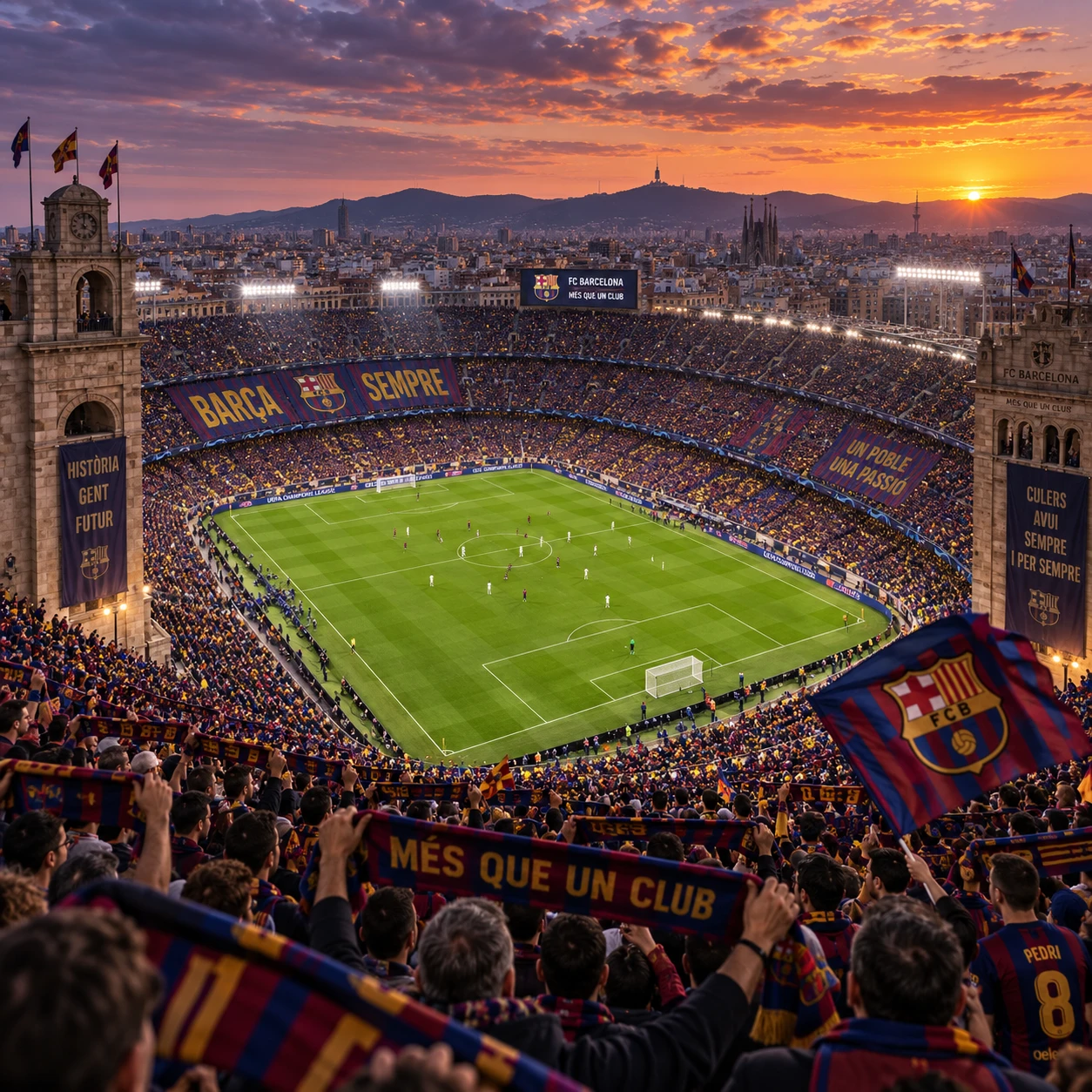
A football stadium can turn a scoreline into a memory. The roar after a late goal, a cup lifted under the floodlights, or a famous defeat can attach a match to a place for generations. Wembley, Old Trafford, Anfield, Camp Nou, San Siro, and Maracanã Stadium each tell a different story about clubs, supporters, and football’s changing scale.
These grounds matter for more than their architecture. Their histories help explain why certain fixtures feel bigger, why familiar terraces and stands carry meaning, and how a stadium can shape the way fans interpret a result.
What Makes a Football Stadium Legendary?
A football stadium becomes legendary through the combination of historic matches, supporter culture, and lasting identity. Its importance grows when generations connect the ground with a club, a national team, or moments that changed football history.
Architecture helps, but it is only part of the story. A stadium’s shape affects how supporters see and hear the game; its location and traditions influence the matchday ritual. Most of all, football gives a ground its meaning. A famous final or title-deciding match becomes part of the stadium’s identity, especially when the same club keeps adding new chapters there.
There are four useful ways to understand a ground’s significance:
- History: finals, derbies, international tournaments, and defining victories or defeats.
- Atmosphere: how supporters fill the stands with songs, rituals, and pressure on the pitch.
- Identity: the bond between the ground, its football club, and the surrounding city or nation.
- Continuity: whether a stadium adapts while retaining features and traditions fans recognize.
A stadium’s legend is not a ranking. Wembley’s role as a national stage differs from Anfield’s club identity, while the Maracanã carries a broader place in Brazilian football. Comparing them means asking what each ground represents, not simply which one is biggest or loudest.
Wembley: The Home of English Football
Wembley is central to English football because it hosts major domestic finals and international matches, linking club competition with the national team. Its history spans an original stadium and a modern replacement built to keep the venue at the heart of the game.
The original Wembley Stadium opened in 1923 and became famous for the FA Cup final. Its twin towers were an instantly recognizable landmark, and the ground hosted the 1966 FIFA World Cup final, when England beat West Germany after extra time. That result made Wembley inseparable from a defining moment in English football.
The old stadium closed in 2000 and was replaced by the current Wembley, which opened in 2007. The new arch gives the structure a different profile, but its role remains familiar: it is a national venue for FA Cup finals, England matches, and other major events. For supporters following scores, the location itself can signal the occasion. A club reaching Wembley has arrived at a stage that generations of players have treated as a milestone.
Wembley’s scale brings a trade-off. It can host enormous events and provide a shared national stage, yet its atmosphere depends on the match and the supporters in attendance. The venue’s meaning comes from a long sequence of occasions, not from architecture alone.
Old Trafford and Anfield: Icons of English Club Football
Old Trafford and Anfield are legendary because each ground is woven into the identity of a major English football club. Old Trafford represents Manchester United’s long history and global reach, while Anfield is closely associated with Liverpool’s supporter traditions and European nights.
Old Trafford
Manchester United have played at Old Trafford since 1910, apart from a period when wartime damage forced the club to play elsewhere. Known as the “Theatre of Dreams,” the stadium has witnessed league titles, domestic cup runs, and memorable European matches. Its history gives the ground a connection to different generations of United teams, from earlier eras to the modern game.
The stadium has been expanded and updated over time, reflecting the club’s growth and the demands of a modern matchday. For home supporters, familiar stands and routines reinforce a sense of continuity. For visiting teams, the venue’s scale and reputation form part of the challenge, although atmosphere varies from game to game.
Anfield
Anfield has been Liverpool’s home since 1892. Its identity is shaped by the club’s history and the matchday ritual of singing “You’ll Never Walk Alone.” The song is heard well beyond Liverpool, but at Anfield it has a specific force: supporters perform it together before kick-off, setting an emotional tone for the match.
The ground is also linked with major European nights and title-winning seasons. Its expanded stands have increased its modern capacity while retaining recognizable features, including the Kop, the stand most closely associated with Liverpool’s home support. In a close match, that relationship between players and crowd can become part of the story behind a result.
These stadiums invite comparison, but neither is defined by reputation alone. Old Trafford and Anfield carry distinct club histories; a derby, league fixture, or European tie can reveal different sides of each ground’s character.
Camp Nou and San Siro: European Football Landmarks
Camp Nou and San Siro are major European football landmarks because they connect club identity with high-profile domestic and continental competition. Camp Nou is closely tied to FC Barcelona, while San Siro is shared by Milan and Inter, giving it an unusual place in the history of club football.
Camp Nou
Camp Nou opened in 1957 and became the home of FC Barcelona. Its scale reflected the club’s growing support, and its stands have watched generations of Barcelona teams compete in Spanish football and Europe. The ground is also associated with the club’s broader identity: for many supporters, following Barcelona means following both a team and a cultural institution rooted in Catalonia.
Camp Nou has hosted major international and European matches, including fixtures during the 1982 FIFA World Cup and the 1999 UEFA Champions League final. In recent years, redevelopment has brought the challenge of updating facilities while preserving a place that supporters recognize. During construction, Barcelona has played some matches at alternative venues, a practical reminder that renovations can alter the matchday experience as well as the stadium itself.
San Siro
San Siro, officially the Stadio Giuseppe Meazza, is home to both AC Milan and Inter. Sharing a stadium gives it a distinctive character: the same stands hold different colors, songs, and expectations depending on which club is playing. The Milan derby, or Derby della Madonnina, turns that shared home into a stage for one of Italian football’s most significant rivalries.
San Siro has hosted European Cup and UEFA Champions League matches, as well as fixtures at the 1990 FIFA World Cup. Its steep tiers and large-scale design create a striking setting, but its importance lies just as much in the football played there. The stadium’s future has been debated as both clubs consider how to meet modern needs while accounting for the ground’s history and emotional value.
The Maracanã and Football’s Global Stage
Maracanã Stadium is a landmark of Brazilian football and international competition, known for its place in the national game and the scale of the events it has hosted. Its history includes moments of celebration and heartbreak, giving it significance beyond any single club or tournament.
Built for the 1950 FIFA World Cup, the Maracanã staged the tournament’s final match, in which Uruguay defeated Brazil. The result, often remembered in Brazil as the Maracanazo, became one of football’s most enduring stories because of the expectations surrounding the home team and the shock of the outcome. The stadium later hosted the 2014 FIFA World Cup final and the opening and closing ceremonies of the 2016 Olympic Games.
Rio de Janeiro’s major clubs, including Flamengo and Fluminense, have also played at the ground. That mix of club and international football gives the Maracanã a broad identity: it can be a home venue for domestic rivalry and a stage for national sporting history. Renovations have modernized the stadium for contemporary events, though changes to seating and access inevitably alter aspects of the old matchday experience.
For anyone reading a match report or following a live score, the Maracanã’s past adds context. A fixture there carries memories of World Cup drama, Brazilian football culture, and the expectation that the next match might become part of the stadium’s story.
How Historic Grounds Balance Heritage and Change
Historic grounds balance heritage and change by improving safety, comfort, and facilities while protecting the features and traditions that supporters value. Renovation can extend a stadium’s useful life, but every major change risks altering how fans experience the ground.
Clubs typically consider redevelopment when an old venue no longer meets modern standards for accessibility, transport, hospitality, safety, or matchday operations. Expanding a stand may bring more supporters closer to the club, while better facilities can make a visit easier for families and disabled fans. The costs can be substantial, and construction may require temporary relocations, reduced capacity, or disruption to the surrounding area.
A practical way to judge a renovation is the continuity test: does the work improve the experience without erasing the reasons people care about the place? Clubs can consider three questions:
- What must improve? Identify specific needs such as sightlines, accessible routes, safety, or facilities.
- What should remain recognizable? Record traditions, visual landmarks, and supporter spaces that give the ground its identity.
- What will change on matchday? Explain temporary moves, entry arrangements, and any differences supporters should expect.
Replacing a stadium can solve constraints that are difficult to fix on a tight urban site, but it may weaken the connection between a club and its historic home. Renovating preserves that link, yet can be more complicated and still change the atmosphere. There is no universal answer; the right choice depends on the ground, the club, and what its supporters value.
Ultimately, a stadium’s history shapes the way fans experience today’s football. Wembley, Old Trafford, Anfield, Camp Nou, San Siro, and the Maracanã remain relevant because they connect current results to memorable matches and shared identities. The next goal adds another line to that record.